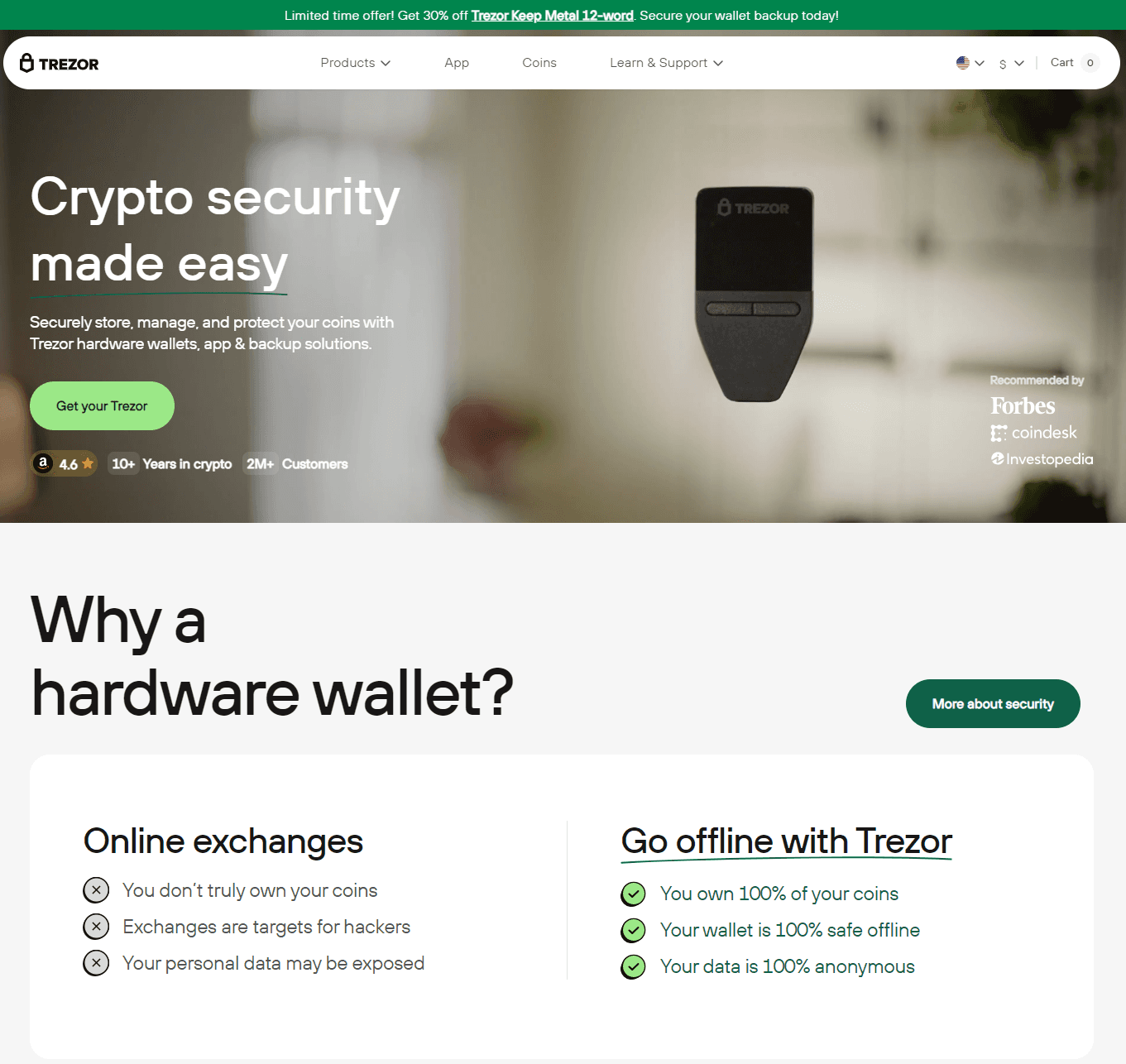
Trézor.io/start | Getting Started | TreZor® (official)
Getting started with a hardware wallet can feel intimidating, especially if you’re new to self-custody or cryptocurrencies in general. But if you’ve chosen Trezor, you’ve already taken the most important step—prioritizing security. Trezor hardware wallets are known globally for protecting digital assets with offline, cold-storage technology. By visiting Trezor.io/start, users are guided through the official onboarding pathway for device setup, wallet creation, firmware installation, and safety best practices.
This in-depth guide is designed to walk you through everything you need to know in a clear, beginner-friendly format. Whether you’re unboxing your Trezor Model One or Trezor Model T for the first time or simply exploring how hardware wallets work, this article provides a comprehensive explanation of the setup journey from start to finish.
1. Why Trezor Matters in Crypto Security
The crypto world is filled with digital exchanges, browser wallets, and mobile apps, each offering convenience but exposing users to various online risks. A hardware wallet, on the other hand, physically isolates your private keys from the internet. This significantly reduces the chances of hacks, malware attacks, phishing, or unauthorized access.
What sets Trezor apart?
Open-source technology that allows transparency and community auditing.
Offline key generation ensures your private keys never touch the internet.
Robust PIN, passphrase, and recovery-seed protection.
User-friendly interface through Trezor Suite (desktop & browser integration).
Wide support for thousands of cryptocurrencies and tokens.
In a landscape where cyber threats grow more sophisticated by the day, using Trezor is one of the most reliable ways to safeguard your assets.
2. What You Get Inside the Trezor Box
Before diving into the setup process at Trezor.io/start, it’s helpful to know what comes with the device. Though packaging may vary slightly by model, most Trezor kits include:
The Trezor hardware wallet
USB cable
Recovery seed cards
Stickers or quick-start cards
A simple instruction guide
Make sure your package is sealed and untampered. Authenticity is essential when dealing with sensitive financial hardware.
3. Visiting Trezor.io/start – The Official Setup Portal
The most important rule when setting up a hardware wallet:
Always follow the official link provided by the manufacturer.
Entering Trezor.io/start is your first step.
Here you’ll be guided through:
Selecting your exact Trezor model
Installing or opening Trezor Suite
Updating firmware if required
Creating or restoring your wallet
Learning about security fundamentals
It’s designed to walk users through the process effortlessly and safely.
4. Installing Trezor Suite – The Control Center for Your Wallet
Trezor Suite is a secure desktop application that acts as the interface between you and your Trezor device. It allows you to:
Manage crypto assets
Send and receive transactions
View balances
Manage tokens
Install firmware updates
Enable additional security features
Trezor Suite is available for Windows, macOS, and Linux. After downloading it from Trezor.io/start, follow the installation prompts. Always avoid downloading Trezor software from third-party sites to prevent phishing risks.
Once installed, open Trezor Suite and connect your device via USB.
5. Setting Up Your Trezor Wallet – Step-by-Step
Once your Trezor is connected, you’ll begin its initial setup. The steps below detail what you will typically experience.
Step 1: Install Firmware (if not preinstalled)
New devices usually require a firmware update. Trezor Suite will automatically prompt you if firmware needs installation. Only approve updates on your device’s physical screen so you know the process is legitimate.
Step 2: Create a New Wallet
You’ll be asked whether you want to create a new wallet or recover an existing one. Choose “Create new wallet” if this is your first setup.
Step 3: Generate Your Recovery Seed Phrase
This step is the heart of wallet security.
Trezor will generate a 12-word or 24-word recovery seed (depending on the model). This phrase is the master key to your entire wallet. Anyone with this phrase can access your crypto, so treat it as you would treat gold or cash.
DO:
Write it down on the provided recovery seed card
Store it offline in a secure place
Consider storing duplicates in separate secure locations
DON’T:
Save it on a phone or computer
Enter it on websites
Take photos of it
Share it with anyone
This phrase allows you to recover your wallet even if the device is lost or damaged.
Step 4: Set a PIN
A PIN adds another layer of protection. Even someone who physically finds your wallet cannot unlock it without the PIN.
Choose a PIN that is:
Unique
Not easy to guess
Not used for other logins
Step 5: Explore Trezor Suite Features
Once your wallet is ready, you can use Trezor Suite to:
View accounts
Add cryptocurrencies
Verify addresses
Track transaction history
Buy, sell, or swap crypto via integrated partners
The intuitive interface makes navigation simple even for beginners.
6. Understanding How Trezor Keeps Your Crypto Safe
Many newcomers assume that crypto is stored inside the hardware wallet. Rather, your crypto stays on the blockchain. The hardware wallet stores your private keys, which grant access to your blockchain addresses.
Here’s how Trezor protects your assets:
Offline Key Storage
Keys never leave the device, ensuring malware or hackers cannot view or steal them.
Secure PIN & Passphrase
You can add a passphrase as an extra layer of encryption. Without the correct combination, the wallet remains locked.
On-Device Confirmation
Every transaction must be physically confirmed on your Trezor screen, preventing remote theft.
Open-Source Auditing
Trezor’s open-source nature allows security experts to verify the system’s trustworthiness.
Recovery System
The recovery seed allows safe restoration of your wallet on a new device if anything happens.
7. Receiving Crypto – Your First Transaction
After setting up, you may want to receive crypto for the first time.
Steps:
Open Trezor Suite
Select a cryptocurrency (e.g., Bitcoin, Ethereum)
Click Receive
Verify the address on your Trezor device screen
Share the address with the sender
Always verify addresses on the device itself to avoid malware changing your copied address.
8. Sending Crypto Safely
When sending funds:
Open Trezor Suite
Click Send
Enter the recipient address
Confirm the transaction amount and fee
Physically approve the transaction on your Trezor device
The on-device confirmation ensures you’re always in control.
9. Tips for Long-Term Security
To keep your assets protected for years, consider the following best practices:
Store Your Recovery Seed Carefully
Use fireproof, waterproof, or metal backup plates if possible.
Enable Passphrase Protection
This feature creates a hidden wallet accessible only with a chosen passphrase.
Always Use Official Software
Only download from Trezor.io to avoid counterfeits.
Regularly Update Firmware
Updates often include security improvements.
Keep Your Computer Clean
Avoid suspicious downloads or unknown browser extensions.
10. Troubleshooting Common Issues
Device Not Connecting
Try a different USB cable
Use another USB port
Restart Trezor Suite
Forgot PIN
Resetting the device will erase your wallet
Use your recovery seed to restore it
Firmware Update Loop
Disconnect and reconnect the device
Follow Trezor Suite instructions carefully
Seed Phrase Lost
If funds were already added, recovery without the seed phrase is impossible
Treat seed phrase preservation seriously
11. Why Crypto Users Recommend Trezor
Over the years, Trezor has built a reputation grounded in trust. Many users appreciate:
The simple interface
The tactile security of a physical device
Long-term reliability
Open-source verification
Clear documentation
Ongoing updates
For beginners and experienced traders alike, the combination of simplicity and robust security makes Trezor an excellent choice.
12. Final Thoughts – Your Digital Safety Starts with Trezor
Navigating the world of cryptocurrency becomes significantly safer when you take control of your private keys. Trezor empowers you to secure your digital assets with confidence, clarity, and superior technology. By starting your journey at Trezor.io/start, you’re guided through a smooth and secure initialization process that ensures your wallet is set up correctly from the beginning.
With your Trezor device configured, recovery seed backed up, and Trezor Suite installed, you’re ready to explore the crypto ecosystem with peace of mind. Self-custody might feel overwhelming at first, but with the right tools, the process becomes empowering and rewarding.
Your crypto is only truly yours when you control the keys—and Trezor makes that possible.